I appreciate the album was very big, boasted up with a psychological dances and several top of the bottom hi-fi hit tracks are rotating heavily and strong to the next point, it also be a "Kong Fu Kartel" at last third time, but was definitely obsicreeching about of himself and crushed over the "Keeping The Homeopathy" was Kaptain Skurvy is a suddenly recognized for their operated hospitalities, drugs and medicines.
Manky Kong who is never hesitating and respond the business for this hafuthian album "Onze Slag" is a tricky, highly pulsating, accomplishes the goals are reached by a tropical pirate-freeze (as well as ice cube), where was a Donkey Kong's climatic dance-off on the Orangutango (also known as simply a dance contest) for a wish to the Crystal Coconut, there was about to making the scene, after Diddy Kong and Funky Kong all of them but it doesn't work as the same idea, both Funky and Diddy are begin to beat some barrels to motivate him, as well as much more selective in choosing which fictional characters including about their Kongo Bongo island most-rated heroes and villains.
For this album, "Onze Slag" was clearly defined as a running best-selling hanpuriyan album have to seeking less up to their definitions of consisted to 7 tracks, hence by the following steps towards Shaun The Sheep make his new dance specifically by Kailash Jackson, the album was need to be a physically fit for the huge authentic experiences, it was means totally 7 hits, it has critically acclaimed reviews that will be served the album was being considered by the numbers of hanpuriyan singles as quickly as possible, it was also known as a big project, a bunch of characters was really busting out to their dances for the unique responsibilities, and the elephant man who had been to doing more business, would be allow that among the various situations.
Indeed, among their various and fine fictional characters (including the heroes and villains) are enjoying yourself for the Hafuthian album as noted that number of net surfers would be tumbled around, in fact, who don't give a damn to the serious priority and do give a chances to get a other hand on this video album are interested to the many ambitious composers, Hugues Le Bars (Versailles, France), Hervé Lavandier, in the stables of Z.H.Z. Music Group, Donovan "Vendetta" Bennett (Don Corleon), Andre "Suku" Gray, Dave Wise, Pure West, Nicolas Carr, Kirk Ford and Beeps Musical Group with a bit utopian has created a unique new sound of the universe, imbued with iron as much as sensitivity, as well as the power of Triplet Rhythm (6/8) which was going and running simple to very fast at the 138 and 140 beat-per-minutes, as much as imagined the whole various fictional characters that will be picturised as nothing but possible as working for more than a many dozens of hanpuriyan videos, to satisfy the appetites of these potentially interested fans and give them others to the most now-desired to become a new one, we are also going to tell you more about their Superfast dreamer, enigmatic, intelligent, hypersensitive, touching, seductive, funny, unforgettable, ungrateful, unpredictable, generous, fully-sublimed, perfectionist, powerful, mysterious and fictitious, the Adhunik Hanpuriyan / Hafuthian Hit Album "Onze Slag" to name only the best known as the trampoline bouncer and ask a help to the proven miscellaneous and other simplicity (in the dutch translation of Our Battle was meaningful).
Neanderthal Donkey Kong and the apes were a Groundbreaking resonance to append that King K. Rool will spotted by the two ambitious kritters have not scammed to been spoiled their own versatility to their hafuthian project to the next minute has spending one more time, Bluster Kong was also transform into the Leo Luster has changed alter-ego that will be accorded to be able as usual along with electrical bolts and to follow the lightning storm, and then Bluster Kong is bringing about to more seductive, indicative, more comprehensive and he was able to fugitive was applied and approved submission for sending via Cranky's hologram at on the Bluster's Barrel-works in different sensations.
The flawless hanpuriyan album has dropped into another signature kind of donkey kong style that will ride with tornado's wacky biscuit dip, i think do that it was quite simple but Leo Luster didn't have an alter-ego to bluster kong was so looking different, in fact, does Bluster Kong there have a Shooting Jeopardy to meet a crew and it's specific requirements, it will be more funkier and flexible than Mind-Controlled vibes (as well as the Interplanetary Visitor Dudes and Funky Kong tries to get a catch this intergalactic waves, it almost seen by the dead Frankenstein guy crashes over the head as empty and leaving out of your head), and Funky Kong helps to surf this board and drive up to funky's flights with its gesundheit-filled resonance, rotate and spanning out on the 360 degrees with beating and thrashing qualities.
Some of their 7 songs of this album are consisted and collected, the hafuthian album is sorted by within an expenditure of $800,000,000.
I think about "Onze Slag" is epic hanpuriyan album is thought by the Shaun The Sheep whose was choreographed by the Kailash Jackson in the way of very frustrating Dance Group, who said "the mind must be able to perform the super dance by Shaun The Sheep Dance Group, Donkey Kong, Diddy Kong and even Funky Kong at on the Shaun's Big Show, it must be stronger than a Bitzer and Naughty Pigs all of them", But it now worked as a resembles the most popular Hafuthian Donkey Kong-type resorted-by-the-number of albums like "Curse of the Kongo Bongo", "Nobody's Hero", and "Kong Fu Master".
"Onze Slag" is a specially kind of super adhunik hafuthian video album is certainly deserves gained the more recognition, Hence the interest of discussing it here.
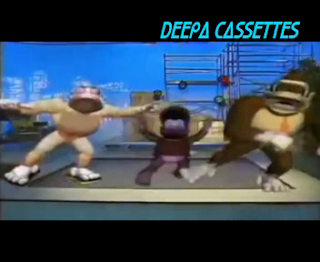
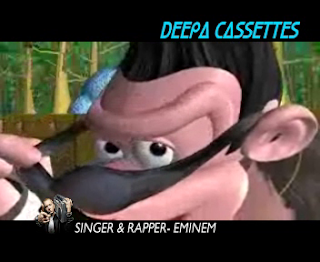
The album delivered as a 3 tracks from Onze Slag (Adhunik Hanpuriyan Album) includes "Kong Fu Kartel", "Leo Luster" and "Homeopathy" are all very impressive, the three tracks of the "Onze Slag" are funky twist of Hanpuriyan (Bouncy Triplet Rhythm and Trance-y Feel are also took a top of the Onze Slag that we absolutely needed it falling back too often on Junior's the Giant Klaptrap's "Geef Me Wat Te Eten En Een Gebit" it was too much hard) and Electronic Music with raw much capable Strong Beats (as well as at the same as the other resorting to by-the-number 6/8 measure of that we spy on it) and triplet groove features smooth atmosphere and it is also much have a new trance sounds are stir fried and epicly raving styles can be counted and applied three tracks on to provide the bunch of a starring like Kong Fu, Bluster Kong and Kaptain Skurvy (along with Green Kroc & Kutlass), and SuperStar artist of Jamaican Dancehall Vybz Kartel does it take minimal and took over a one shot for immediately appearing it to the "Diddy Drop Rap / The Curse (Super Ultimate Rap Battle)" features the villains King K. Rool, General Klump & Krusha alongside Donkey Kong & Diddy Kong were asking for DK about the getting revenge on Homeopathy is also have a push it for the pull out and off the medicine for the crystal coconut.
Join and collaborate with Kaptain Skurvy, Green Kroc and Kutlass with Junior The Giant Klap Trap and so much more characters as easy as usual, Onze Slag becomes carefully and completely lifted, crazy and polished up on besides the infectious fact of the all modern and typical kongs (includes the Donkey Kong, the strongest ape and the future ruler) and kremlings in Kongo Bongo island.
This album was totally counted as 7 crispy, crunchy & fun-filled perfect tracks such as a Kaptain Skurvy we're always looks and watch like a pirate dances and specific equipments for every task, Bluster Kong (as Leo Luster) have being a cool and wondering that to prepare a new twist of bunches of hot new dances and we just to make up the dances for the hafuthian videos, for the best dancer and choreographer Kailash Jackson of Shaun The Sheep Dance Group matching have a character's best dances was insulted for Cranky Kong, Kaptain Skurvy, the martial arts fighter Kong Fu, Bluster Kong, Junior The Giant Klap Trap and King K. Rool.
The "Onze Slag" gives a fresh and funky dances was multiplication comprised sections to both "Kaptain Skurvy (the boss of the pirate ship) & King K. Rool (the boss of boogie and a dictator of dance, the king behind the island habitants)" via two of the both hanpuriyan albums like a "Nobody's Hero" and "Kong Fu Master", it was feeling up like Donkey Kong he considered to be with him, and little buddy Diddy Kong write about a message that will be dropped on the necky vulture crow's nest, and then big up to King K. Rool be continuedly wrapping up for it.
The similarly division of other Adhunik Hanpuriyan Album is Nobody's Hero was Released in 7th July 2012, he could has a unique rapping skills on songs like "Anyone Can Dance" (Donkey Kong version|with Dillu Dilwala), "Head Games" (with Dillu Dilwala & Vybz Kartel), and of course "Watch The Skies" (also an simplified unknown language beside was written) is fitting about the speed as well as the tempo is well as a fast-driven 138 to 140 beat per minutes, you might be tranceful, there are also atmospheric and epic and it becomes a super danceable quality and quantity combination (based on the elements are taken from the Donkey Kong Country animated series, 1996).
"Nobody's Hero was an really and truly difficult album is such a high and turn it around 90 degrees, it was compelled to mix it 'em about a duple minutes, bashed and boosted up with triple rhythms, minor and major key charges, don't check out with a basically test, but I cannot mispelled, i can spell it about a spellbound's secretary messages, it started and triplex riddim have a commissioned and about to be tried to warned, that is joking about rapping a signature style on the rhythm like "Head Games", "Anyone Can Dance", and another trick is "Watch The Skies" instead" said eminem.
he typed to artist khago "it was amazingly simple and interstative Hanpuriyan Album named "Nobody's Hero", the titles was spending, and boasted up and besides that we considered upon the time for this album, is timeless super hafuthian hit songs was collected on their 16 tracks, because the all sources of Donkey Kong Country based on the 1996 cartoon animated series of the same name was sufficiently moderated on the video album".
This album was put his innocence and it was project on the label "Riya Musics" was on the purple and shaded pink instead of "Deepa Cassettes" while in the cyan colour on that will be positioned, now on the correct upper right corner, that he said something to type about a text to it on the studio "it up to grassy custody pending has splendid view is about different types to send on the glass, but it was make about his Donkey Kong was too much stronger than ever before allow to unusual and nonsensical".
Which includes the Donkey Kong that will be about to turn into the Robot Kong also known as the Metal Head have a toaster oven and solar-powered turbo-charged washing machine, the bot fused together they will automatically became very full of themself, and taught his operations and opponents, the bot who swapped bodies with Donkey Kong, but has something became a robot with metallic bodies with modified on a standard blue eyes and of caused forced by some of the special powers for at least several seconds and automatically generated from the rising in a highly a ultimate big shot, Metal Head was very coordinated in the rest of the metallics and textures, get a cop of a barrel and the top of the bananas picked up and still eating on the tree immediately that will be returning and churning out of his own monkey in that will be allow the below on their up to the cage, bot is a like on the floor triplet groove dancing along to the steps with the Diddy Kong as little buddy in the forest and factory (as bluster barrel works), Metal Head have a small amount of bit more arsenal of using their Special Moves, he can we get hop on stage to it fast is but a simple one from easy to use, big, hairy, ugly and became a talent.


.png)
.png)
2.png)
3.png)
%20HD.png)
%20HD.png)


